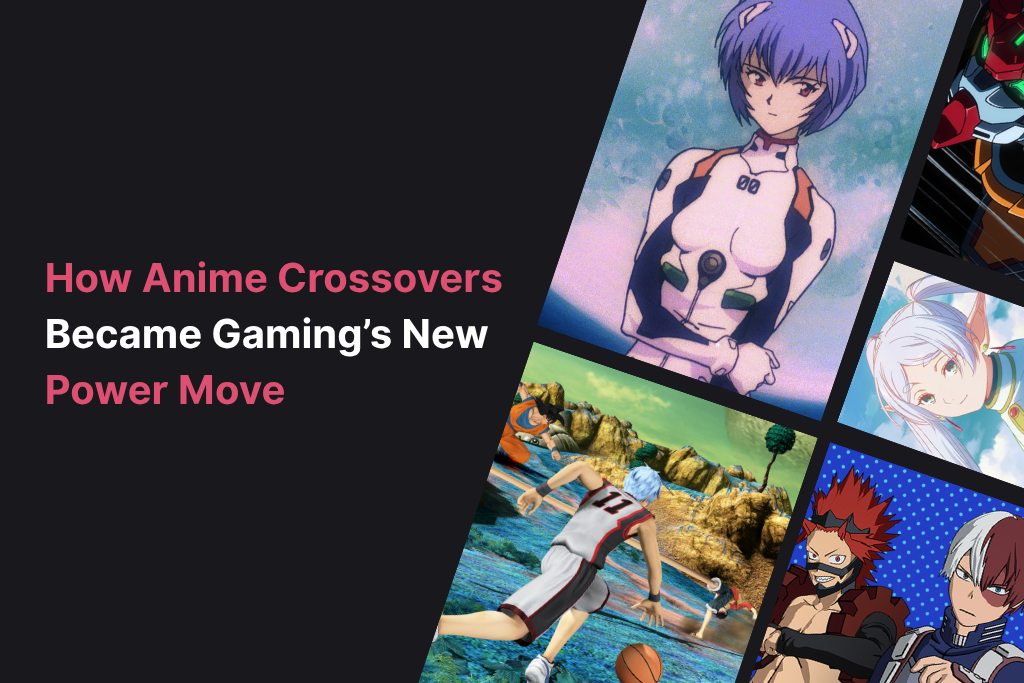
As of today, Crunchyroll boasts more than 17 million paid subscribers worldwide. And that’s still just a glimpse of how massive the Japanese anime industry has become. What began as a niche corner of late-night TV slots, theatrical releases, and collectible figurines has grown into a global cultural powerhouse.
Unsurprisingly, that influence has spilled into gaming. For decades, fans have played through anime-inspired titles like Naruto: Ultimate Ninja Storm or Dragon Ball Z: Budokai Tenkaichi. But lately, that’s no longer enough. The new trend is about anime crossing over into every corner of gaming,
Types of Anime Crossovers in Gaming
According to GameWhims, not all anime-gaming collaborations follow the same formula. Some invite beloved anime heroes into existing games, while others unite entire franchises under one roof. Understanding these types reveals how diverse and strategic these partnerships have become.
1. External Collaborations: When Anime Invades Other Worlds
These are the high-visibility events that light up timelines and dominate YouTube thumbnails. Naruto x Fortnite, Attack on Titan x PUBG, or Frieren x Identity V, to name a few.
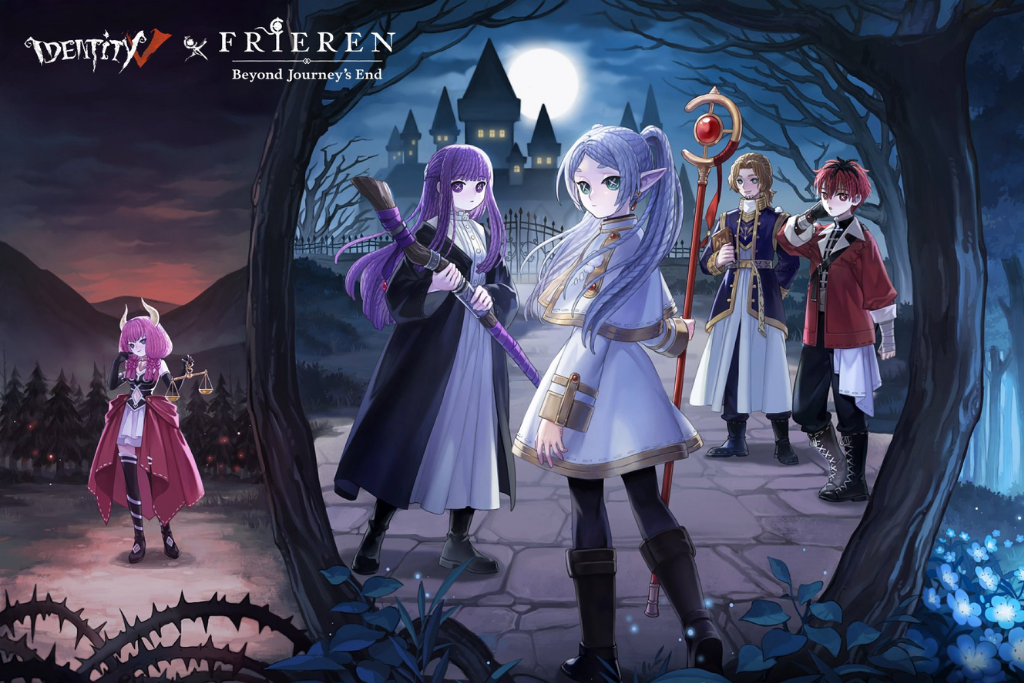
In these cases, the anime franchise becomes a guest in an established gaming universe. Players get themed skins, weapons, emotes, or limited-time missions that let them step directly into their favorite characters’ shoes.
These partnerships work because they blend audiences. Anime fans jump into the game and gamers discover the anime. It’s a symbiotic loop that boosts engagement and sales on both sides while making the crossover feel like a cultural event rather than just a product drop.
2. Internal Crossovers: When Franchises Collide
Then there are the multi-franchise battles, like J-Stars Victory VS, Jump Force, or Super Robot Wars. Here, anime worlds coexist instead of just ‘visiting’. These games act as celebrations of anime culture, bringing together characters from dozens of series to fight or team up in one shared universe.
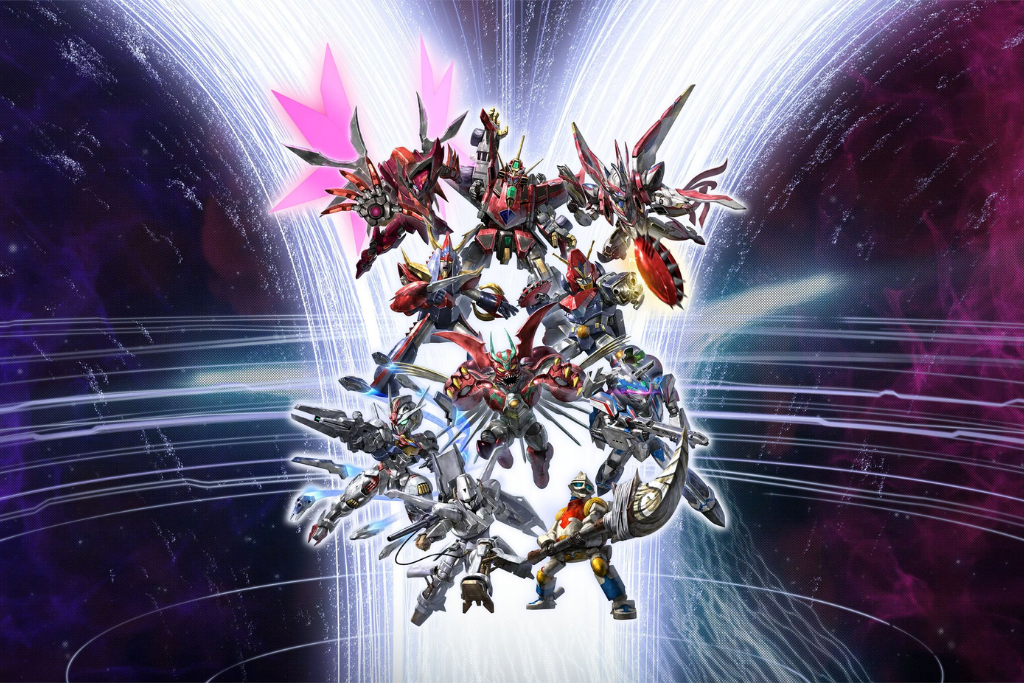
Unlike external collabs, these titles are built from the ground up as crossover experiences. They thrive on fan nostalgia and the thrill of “what if” matchups. For example, Luffy vs. Goku, Naruto teaming up with Ichigo, or Deku clashing with Kenshin. For many fans, these games are the ultimate crossover dreams brought to life.
Why Anime Crossovers Work So Well
For fans, crossovers are emotional bridges connecting two worlds they already love. For developers and publishers, they’re engagement goldmines. Here’s why the formula keeps working.
Shared Audiences, Shared Passion
Anime and gaming speak the same visual and emotional language. Bold art styles, over-the-top action, and stories built on perseverance and heroism. Both fandoms thrive on creativity and community, so bringing them together feels natural.
For instance, Naruto in Fortnite was more of a cultural handshake between overlapping communities. Fans of the anime flocked to the game, while players who may never have watched Naruto were introduced to the franchise, creating a mutual boost in engagement.
Marketing with Built-In Hype
Crossover events come with built-in virality. Teaser trailers, social media announcements, and character drops generate immediate online chatter. The Fortnite x Naruto event, for example, reportedly drove spikes in daily player logins, showing how a well-executed collaboration can revitalize a game’s user base. Beyond numbers, the media coverage itself acts as free advertising, reinforcing the cultural relevance of both the game and the anime.
Nostalgia and “What-If” Scenarios
Crossover games thrive on fan imagination, like the “what if Luffy fought Goku?” question that’s been floating around since playground debates when we were kids. These games tap into that nostalgia while giving players the power to play out those fantasies firsthand.
Regional Preferences and Cultural Nuance
Not all crossovers resonate equally everywhere. Japanese audiences often prefer internal, multi-franchise games like Jump Force or J-Stars Victory VS, where the crossover is built into the core gameplay.
Western audiences tend to engage more with external collaborations, such as anime characters appearing in established games like PUBG or Call of Duty events. Recognizing these regional differences helps studios tailor events that feel authentic and appealing across global markets.
Behind the Scenes: Strategic Collaborations
Anime crossovers might feel spontaneous to players. Behind every skin, emote, and themed event lies a carefully orchestrated strategy involving studios, licensors, and marketing teams. The planning begins long before announcements hit social media.
Licensing negotiations are often the first hurdle. Studios weigh which anime franchises align with their audience and brand. Popularity is key, but so is the tone. For example, a battle royale like Fortnite might favor action-heavy shonen, while a story-driven RPG could benefit from a more emotionally nuanced series. Negotiations also determine which characters can appear, how faithfully their abilities and designs must be adapted, and the duration of licensing rights.
Timing is another crucial element. Most collaborations coincide with anime release cycles, in-game seasonal updates, or major holiday events. For instance, a new anime season dropping in winter might align with a game’s holiday event, creating a perfect synergy that maximizes fan excitement and engagement. Limited-time events, seasonal cosmetics, or collector bundles leverage this timing to drive both hype and revenue.
Crossovers also often extend across platforms. Mobile tie-ins, augmented reality (AR) events, or exclusive downloadable content expand a franchise’s reach and encourage players to explore multiple facets of a game. For example, a single crossover might include themed missions in the main game, limited-time items in a mobile companion app, and collectible merchandise in physical stores. This creates a multi-layered experience that feels both immersive and culturally significant.
The careful orchestration of licensing, timing, and multi-platform promotion explains why some crossovers feel seamless while others fall flat. When done right, these collaborations do more than sell skins or emotes; they bring anime and gaming communities together in a way that’s strategic, sustainable, and culturally resonant.
At GameWhims, this indie gaming media observed similar tactics in other cross-media projects, where games, anime, and even music artists synchronize releases for maximum cultural impact.
Top 5 Anime Crossovers You Need to Play
Anime crossovers come in all shapes and sizes, but some stand out for their creativity, gameplay, and sheer fan appeal. Here are five must-play crossovers that show just how exciting this trend has become.
1. Identity V
NetEase’s asymmetrical multiplayer game has become a hotspot for anime crossovers, featuring events from Frieren and The Promised Neverland. Players can enjoy new character skins, themed missions, and lore-inspired challenges, demonstrating how even niche anime can thrive through gaming partnerships.
2. Jump Force
Jump Force brings together heroes from dozens of Shonen Jump series, including My Hero Academia, Jojo’s Bizarre Adventure, and Hunter x Hunter. The game weaves these universes together, while players can stage dream battles like Luffy versus Goku. It’s a prime example of an internal crossover built entirely from the ground up.
3. Fortnite
This battle royale has become a canvas for anime-inspired events. From character skins and emotes to limited-time story-driven events, these crossovers expand the game’s lore and offer fans interactive ways to engage with their favorite franchises.
4. Guilty Gear Strive
The fighting game Guilty Gear Strive collaborated with Cyberpunk: Edgerunners, featuring Lucy as a playable guest character. This crossover adds a cinematic touch to gameplay while giving anime fans a fresh way to interact with a beloved character in a competitive environment.
5. J-Stars Victory VS
For fans of multi-franchise battles, J-Stars Victory VS is essential. It unites characters from Dragon Ball, One Piece, Bleach, and more, letting players experiment with unique team-ups and combos. Built entirely as a crossover, it thrives on nostalgia and fan imagination.
Conclusion
Anime crossovers have outgrown their role as novelty events. They’ve become a core strategy for how games connect with their audiences by merging fandoms, expanding storytelling, and redefining what collaboration means in the digital age.
As the trend continues, the boundaries between franchises, genres, and mediums will blur even further. And fans will be the ones reaping the rewards of these increasingly ambitious crossovers.